
As artificial intelligence rapidly transforms how people work, learn, and communicate, the Catholic Church faces a defining question in both seminary training and parish life: who is truly speaking—the priest, or the algorithm?
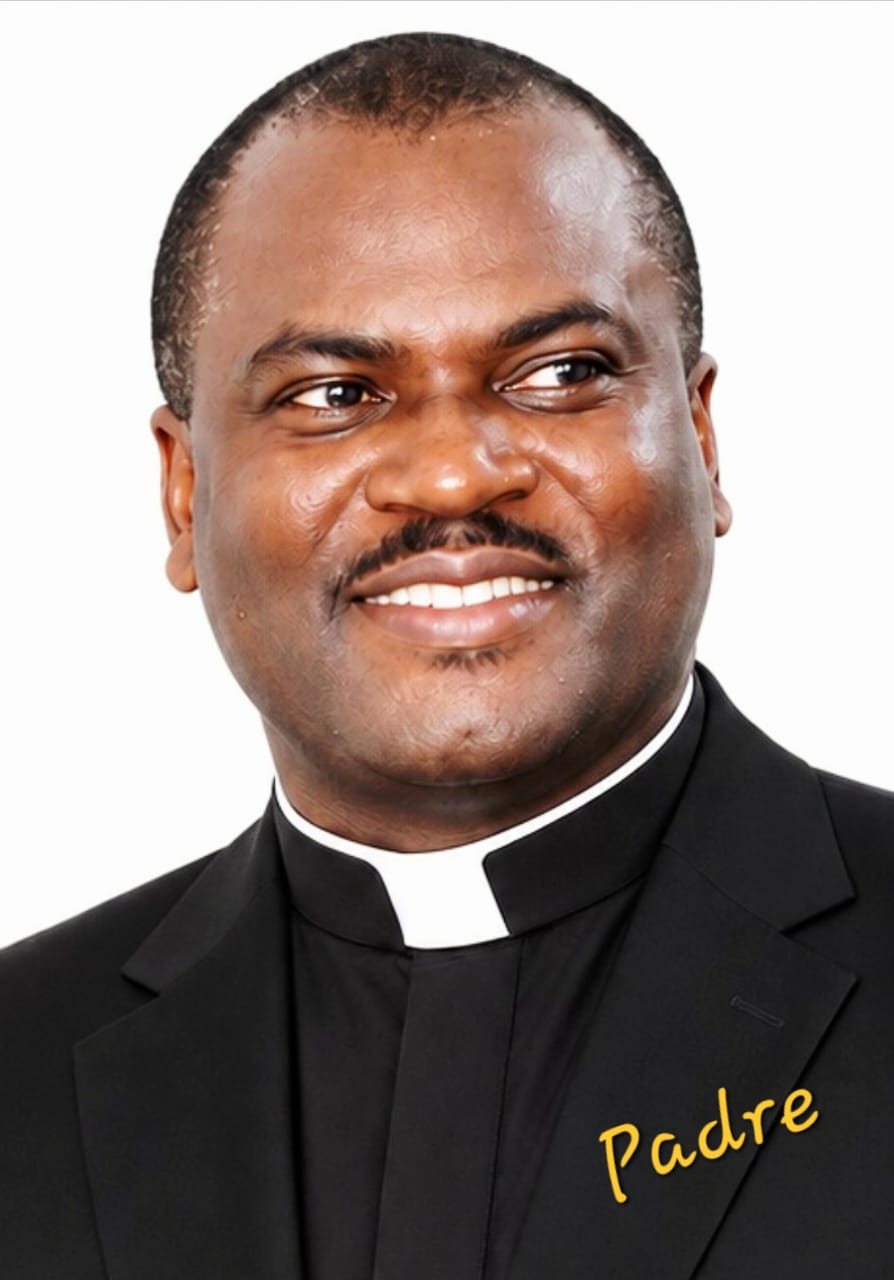
That question sits at the heart of a lecture by Rev. Fr. Dr. Melchizedek Okpala, titled “Priestly Formation and Priestly Ministry in the Age of Artificial Intelligence: Navigating the Moral Complexity and Pastoral Challenges of Artificial Intelligence.”
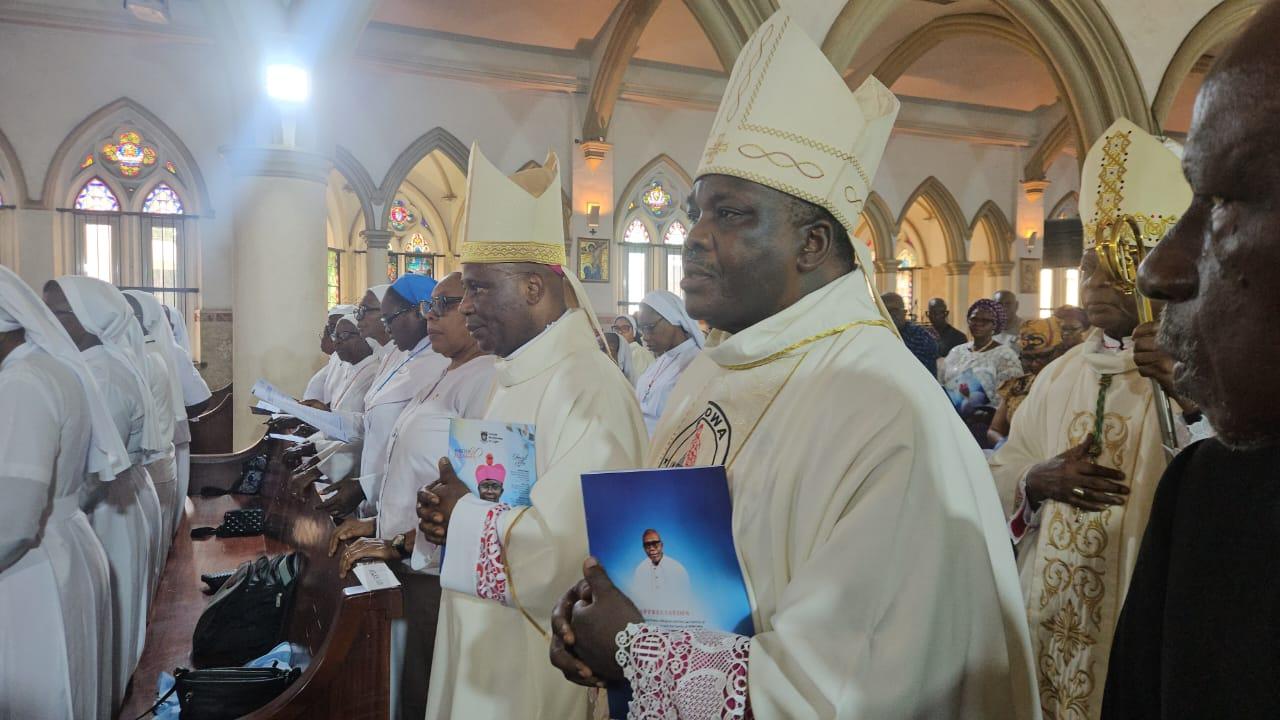
Delivered to mark the 40th priestly anniversary of Most Rev. Dr. Anthony Ovayero Ewherido and Very Rev. Fr. Anthony Ogochukwu Anamali, the address calls on the Church to engage what Pope Francis described as an “epochal age” not with fear or blanket rejection, but with moral clarity, spiritual depth, and disciplined discernment.
Drawing on Church teaching from St. John Paul II’s Fides et Ratio and Pastores Dabo Vobis to the Dicastery for the Clergy’s Ratio Fundamentalis Institutionis Sacerdotalis and Pope Leo XIV’s Magnifica Humanitas, Fr. Okpala argues that technology must serve human flourishing rather than replace human wisdom. His central thesis is direct: a priest must remain a conduit of living wisdom, not a conduit of generated content.
Within seminaries, where formation shapes the human, spiritual, intellectual, and pastoral dimensions of future priests in a lifelong journey of growth, artificial intelligence presents both practical aids and serious formative hazards. Fr. Okpala cites the example of a final-year philosophy student who submitted a term paper made up entirely of AI-generated material, even leaving the prompts attached. In a formation setting, he notes, such behaviour goes beyond routine academic misconduct and points to a deeper formative deficiency that can weaken honesty, discipline, and conscience before a candidate enters ordained ministry.
When candidates rely uncritically and irresponsibly on generated content, they bypass the slow work of reflection, analysis, and synthesis needed for preaching, catechesis, and moral guidance. Fr. Okpala warns that uncritical use erodes authorship and accountability when a priest must stand personally behind every word spoken in ministry. It also threatens truthfulness, as AI systems can produce inaccurate or misleading material, and diminishes the dignity of intellectual labour, patience, and moral discernment, which are qualities a machine cannot possess because it lacks moral agency and spiritual depth.
In active ministry, where priests act in persona Christi as co-workers with bishops in proclaiming the Word, celebrating the sacraments, and shepherding the faithful, Fr. Okpala observes that AI is advancing alongside a “neo-industrial revolution” and a “philosophy of urgency.” A culture driven by speed and instant answers can crowd out contemplative silence, prayerful study, and patient accompaniment.
He also highlights the growing threat of manipulation, deepfakes, and misinformation. Because AI can imitate voices, images, and videos of bishops, priests, and other trusted figures, bad actors can circulate fabricated Church announcements, solicit fraudulent donations in the Church’s name, damage reputations, and erode public trust. To address this, Fr. Okpala recommends that dioceses establish verified communication channels and educate both clergy and the faithful on recognising manipulated content.
Anchoring his recommendations in the creation of human beings in the image of God (imago Dei), the incarnation of Christ, and the primacy of spiritual life, Fr. Okpala stresses that no algorithm can pray, receive grace, mature in friendship, or provide the embodied presence of a priest visiting the sick, grieving with families, reconciling estranged people, or celebrating the Eucharist. Used responsibly, AI can assist with research, organisation, and outreach, but priestly identity must remain rooted in prayerful depth, personal encounter, and a wisdom that is received, lived, and faithfully transmitted.

Comments
No comments yet. Be the first to respond.